
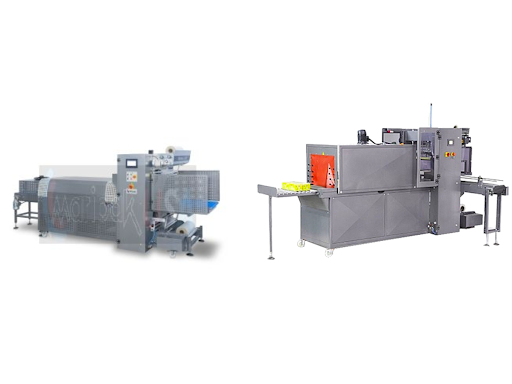
Slow seals, jammed conveyors, and wasted film quietly drain profit from busy production floors. Many facilities discover that an industrial shrink wrap machine resolves several of these problems at once when it is sized and configured correctly. Operations managers across the United States often inherit equipment chosen for the wrong product mix, then spend months working around its limits. The good news is that most packaging headaches trace back to a handful of fixable causes. Understanding those root issues helps teams replace guesswork with a clear plan, restoring steady throughput and dependable finish quality without constant manual intervention or surprise downtime during peak demand.
The Common Problem Behind Slow Lines
When packaging lags, the symptom is usually visible long before the cause. Operators stack cartons waiting for seals, or supervisors notice rising rework from weak closures and uneven shrink. Often the real issue is a mismatch between machine capacity and product variety, or aging components that no longer hold heat evenly. Identifying whether the constraint is speed, seal integrity, or changeover time lets you target the fix precisely instead of replacing an entire line that simply needs the correct configuration for the goods it handles. Tracking how often a station stalls during a typical week usually reveals whether the constraint is capacity, components, or changeover speed.
Why the Right Choice Matters
Choosing equipment that fits your actual workload prevents the cascading delays that erode delivery promises. A properly matched industrial shrink wrap machine keeps cycle times predictable, protects products in transit, and reduces the labor needed to babysit each pass. The payoff shows up in fewer returns, cleaner shelf presentation, and a calmer floor during rush periods. A correctly sized industrial shrink wrap machine also lowers operator stress when orders surge.
A Common Mistake to Avoid
The frequent error is buying for today rather than for realistic growth and product range. A unit that barely covers current volume will struggle the moment orders spike or product sizes shift. Build in headroom for throughput and film compatibility so the equipment supports the next two or three years, not just this quarter. Headroom for both throughput and film thickness keeps the line ready for new products without forcing another purchase.
Features That Genuinely Help
Adjustable sealing bars, even heat distribution, and intuitive controls cut training time and waste. Look for quick changeover mechanisms and film tension control that handle varied products without constant manual tuning. These features turn a fussy station into a dependable one that operators trust during the busiest shifts of the year. Operators who can clear a jam quickly keep the line from backing up during a rush.
The Long-Term Benefit
Reliable wrapping compounds over time through lower film costs, reduced downtime, and steadier output. When the equipment matches the work, maintenance becomes predictable and budgets become easier to defend. That stability is often worth more than a lower sticker price that hides higher operating costs across years of daily use. Watching the equipment handle your own products, rather than a vendor sample, removes most of the guesswork from the final decision.
How to Make a Confident Decision
Start by documenting your product dimensions, peak volumes, and film preferences, then test candidate machines against those realities rather than a generic demo. Ask suppliers about duty cycle, parts availability, and support response times. Confirm that operators can run and clear common stoppages without specialized help. A confident decision rests on evidence from your own floor, not brochure promises, so insist on data that reflects how the machine behaves under your conditions and your specific mix of goods.
Final Thoughts
Packaging problems rarely require dramatic overhauls when the underlying mismatch is understood and addressed with the right equipment. A well selected industrial shrink wrap machine restores rhythm to a line, lowers waste, and protects the products customers expect to arrive intact. Take time to measure, test, and verify support before committing, and weigh long-term operating costs alongside the initial quote. Buyers who follow this disciplined approach, and who work with experienced partners like Maripak USA, tend to gain steadier output and far fewer disruptions across the demanding seasons ahead.