
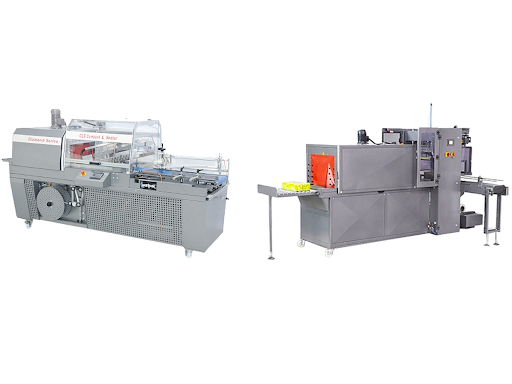
In the modern manufacturing and packaging industry, efficiency and precision are top priorities. Among the many tools that contribute to this productivity, the industrial shrink wrap machine stands out as a vital component. These machines are used to tightly seal and protect products, improve presentation, and ensure tamper-proof packaging. However, as with any industrial equipment, safety is paramount. Operating a shrink wrap machine without proper training or awareness can lead to injuries, equipment damage, or costly downtime.
Whether you're a packaging facility manager, a warehouse operator, or someone working on the factory floor, understanding how to safely handle and operate these machines is crucial. This blog explores the essential safety tips you should follow when working with an industrial shrink wrap machine to protect both workers and equipment.
Understanding the Basics of Shrink Wrap Machines
Before diving into safety practices, it’s important to understand how these machines function. Shrink wrap machines use a combination of heat and plastic film to wrap items. Once the film is applied, heat is used to shrink the film tightly around the product, creating a sealed, tamper-evident covering.
There are various types of machines, including manual, semi-automatic, and fully automatic models. While the level of automation changes, the potential hazards remain similar—exposure to heat, moving parts, and sharp edges, among others.
Provide Proper Training for All Operators
One of the leading causes of workplace injuries involving packaging equipment is lack of training. Every employee operating an industrial shrink wrap machine should receive hands-on training. This includes understanding the machine’s components, its standard operating procedures, emergency shutoff functions, and how to respond to common malfunctions.
Training should also include education on potential risks, such as burns from heat tunnels or cuts from film cutters. Refresher training at regular intervals is equally important, especially when upgrading to a new machine model.
Keep Hands and Loose Clothing Away from Moving Parts
Shrink wrap machines involve rollers, conveyor belts, and other mechanical elements that can catch fingers, jewelry, or clothing. It’s critical for operators to keep their hands away from these parts when the machine is running. Long hair should be tied back, and loose clothing or accessories should be avoided entirely on the production floor.
Most modern machines come with emergency stop buttons and protective guards. However, complacency can still lead to accidents, so vigilance is necessary at all times.
Maintain a Clean and Organized Workspace
A cluttered workspace can pose several risks around an industrial shrink wrap machine. Packaging materials, tools, and film scraps can become tripping hazards or interfere with machine operation. Regularly cleaning the area around the machine ensures clear access to emergency stop functions and prevents material from catching in moving parts.
Dust and debris can also affect the machine’s performance over time. A clean machine is not only safer but also more efficient and longer-lasting.
Perform Regular Maintenance and Inspections
Just like any other industrial equipment, shrink wrap machines require routine maintenance. Components such as belts, cutters, and heating elements wear out over time and can pose safety risks if not addressed promptly. Implementing a maintenance schedule helps identify issues before they escalate into serious problems.
Operators should perform a quick visual inspection before each use, checking for signs of wear, loose parts, or film buildup. Any irregularity should be reported to a supervisor and resolved before operation resumes.
Understand the Heat Risks
Most industrial shrink wrap machines include heat tunnels or hot wire cutters. These components can reach extremely high temperatures, posing a risk of burns. Operators should be trained to avoid direct contact with heated parts and to wait for sufficient cooling before performing maintenance or clearing jams.
Some machines feature warning indicators or lock-out mechanisms for hot areas. It’s important to ensure these systems are functioning correctly and that staff are trained to heed warnings.
Label and Secure the Area
Wherever an industrial shrink wrap machine is in use, clear labeling and safety signage should be displayed. This includes "Caution: Hot Surface" signs near the heat tunnel and clear indicators for emergency stops. In busy warehouses, floor markings can help define safe zones around the machine.
Additionally, limiting access to authorized personnel helps reduce the risk of inexperienced workers tampering with or misusing the equipment.
Emergency Protocols and First Aid Preparedness
Accidents can still happen despite the best precautions. That’s why having clear emergency protocols in place is crucial. Employees should know how to shut down the machine immediately and where to find first aid supplies. Supervisors must ensure that a trained first responder is available during every shift.
Maintaining a visible chart with emergency contact numbers, evacuation routes, and first aid procedures reinforces a culture of safety.
Always Use Personal Protective Equipment (PPE)
Even with advanced safety features, working with shrink wrap machines can expose operators to certain hazards. Employees should always wear the appropriate personal protective equipment. This includes:
- Heat-resistant gloves when dealing with hot surfaces.
- Safety glasses to protect eyes from any debris or malfunctioning parts.
- Protective sleeves or arm guards, especially when reaching into tight spaces.
Enforcing consistent PPE usage helps reduce the risk of injuries significantly.
Conclusion
The industrial shrink wrap machine is an indispensable tool in the world of product packaging, offering efficiency and consistency across industries. However, its advantages must never come at the cost of safety. By enforcing strict safety protocols, providing adequate training, and maintaining the machinery properly, organizations can ensure a safe and productive work environment. While automation and innovation continue to improve the functionality of shrink wrap machines, human vigilance and responsibility remain the cornerstones of safety. Investing in safety not only protects workers but also enhances operational continuity and product quality. Ultimately, understanding and respecting the capabilities of an industrial shrink wrap machine can lead to a safer, more efficient packaging process—benefitting your workforce, your products, and your bottom line.